Buddaban Tech
- Sensors, gateways, site controller and automation platform
- Climate, irrigation, lighting and plant-response logic
- Operating dashboards, alerts and control history
- Control-system commissioning and agreed remote support
Environmental control depends on the infrastructure behind it. SecuSolar combines Buddaban Tech’s specialist monitoring and automation with local HVAC, electrical and energy engineering—from existing-equipment assessment to coordinated commissioning.
Connect what you measure, what you control and how the facility performs. Buddaban provides specialist control intelligence; SecuSolar integrates the supporting facility, electrical and energy systems.
Select an item to explore its function, equipment and real operating evidence.
Signals from the crop, the room and the operator.
Compare readings with targets. Coordinate compatible equipment.
Local operation can continue without internet while power and local communications remain available. Remote access requires connectivity.
Growing conditions, operator visibility and recorded evidence.
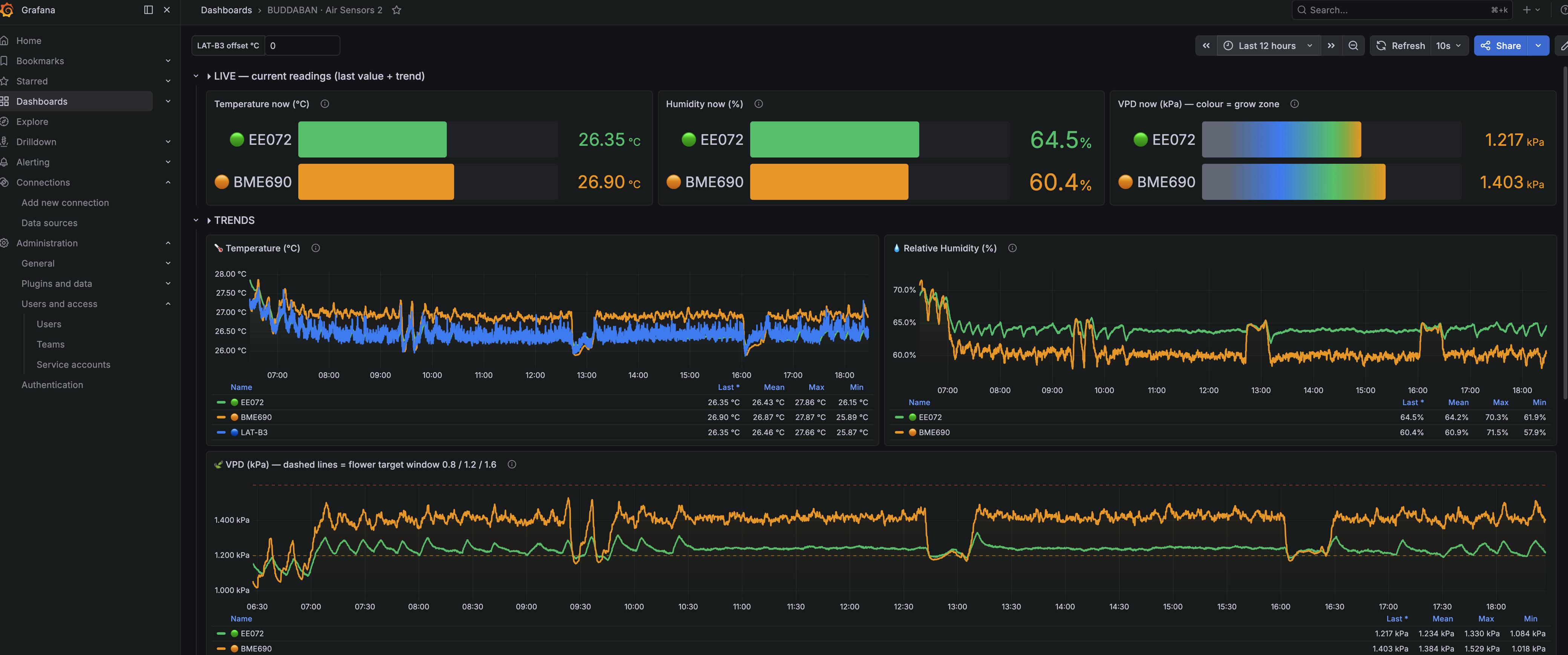
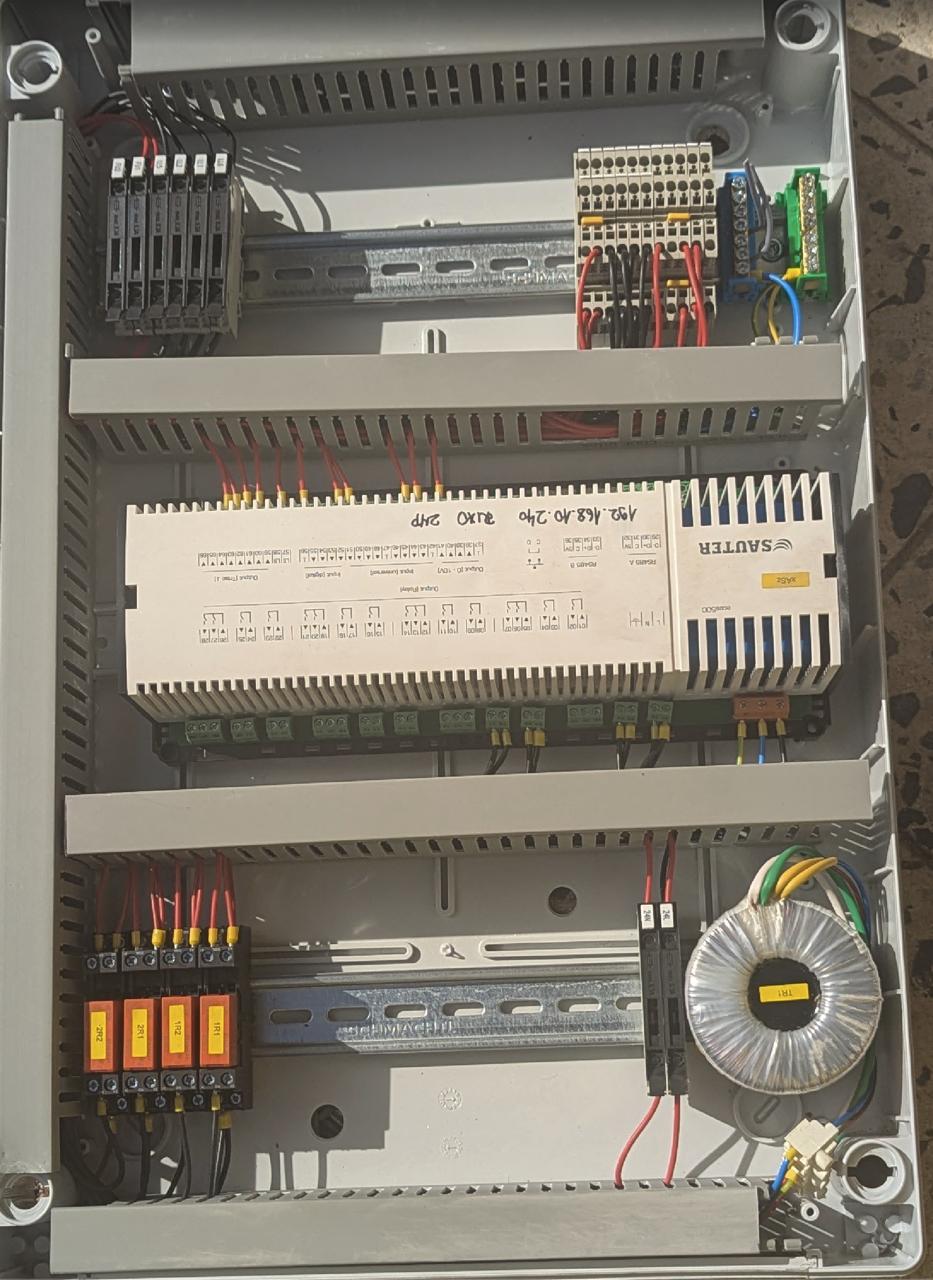
Photographs and dashboards from Buddaban’s facility in the Czech Republic show real equipment and operating data, not a SecuSolar installation in Thailand.
Control scope depends on each site’s equipment and interfaces. Responsibilities, safety interlocks and acceptance criteria are agreed before live control.
Buddaban Tech provides the specialist environmental-control technology. SecuSolar develops and integrates the wider facility and energy scope for projects in Thailand and Southeast Asia. The equipment, controls and site works are planned as one coordinated system, with defined responsibilities.
Buddaban retains its specialist technology scope. SecuSolar’s additional instrumentation, electrical and energy interfaces are engineered for each site; they are not assumed to be native platform functions.
A controlled environment manages conditions around a crop or process within defined limits. Indoor growing, greenhouse, propagation and research facilities need more than setpoints: cooling capacity, airflow, water distribution and electrical supply must support those targets.
Air, leaf, substrate and equipment readings, with sensor-freshness checks, trends and prioritised alarms.
Temperature, humidity and vapour-pressure deficit (VPD) informed by measured leaf temperature. Sequences coordinate compatible heating, ventilation and humidity equipment.
Tank, pumps, filtration, dosing and distribution form one subsystem. Sensor-informed watering requires per-pot substrate sensing, solution monitoring, controllable valves and interlocks.
Canopy light measurements inform daily light integral (DLI) targets. Compatible 0–10 V drivers allow intensity adjustment and scheduled ramps.
Chlorophyll fluorescence and leaf temperature provide plant-health evidence to review alongside room conditions and lighting targets.
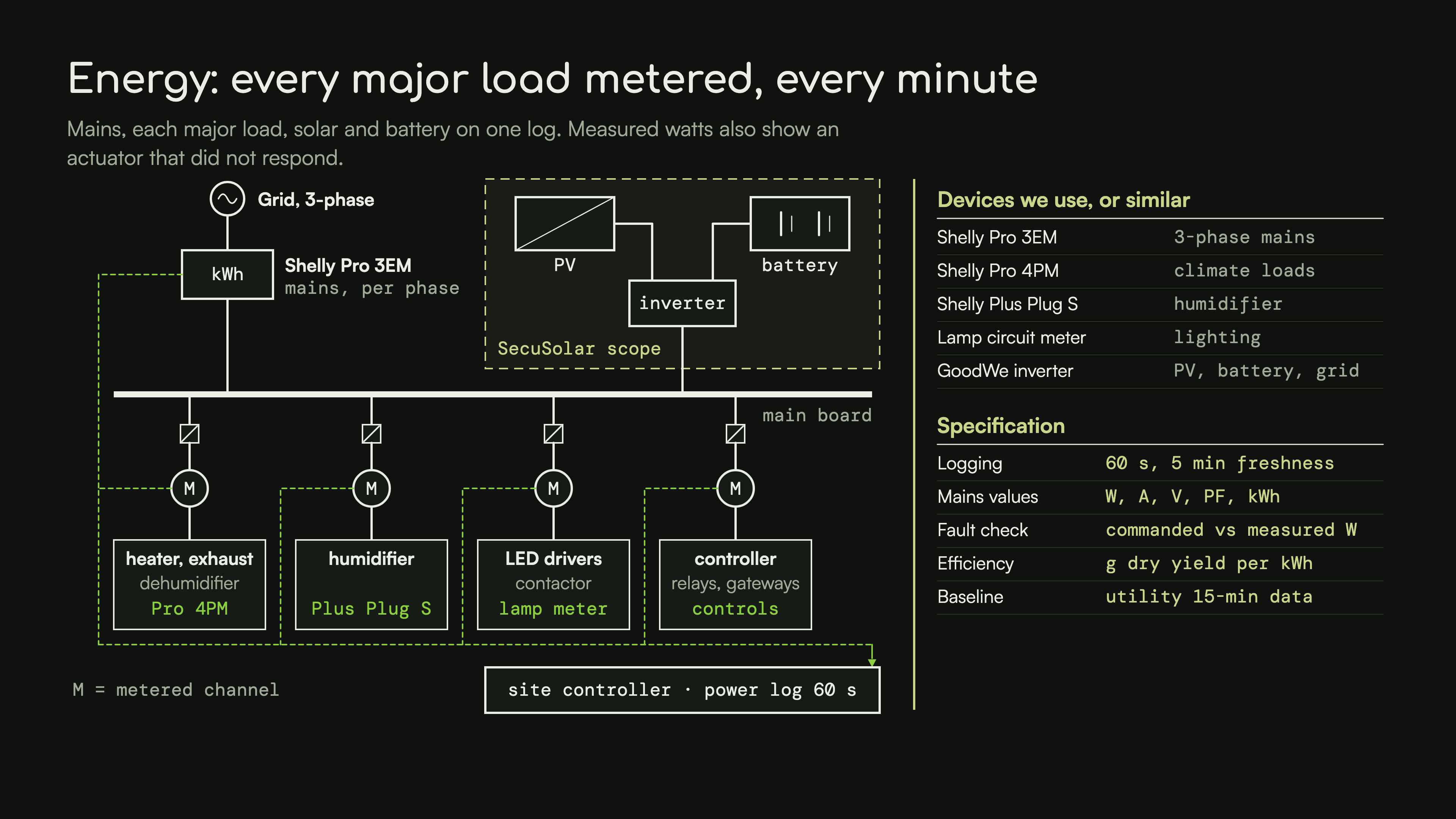
Compare control commands with measured equipment power where metered. Review readings, actions and recorded reasons on a common timeline.
Start with an equipment and controls survey. Existing HVAC, pumps and lighting can remain where their condition, capacity and interfaces suit the proposed sequences. A relay contact is not a substitute for a verified control sequence or a safety interlock.
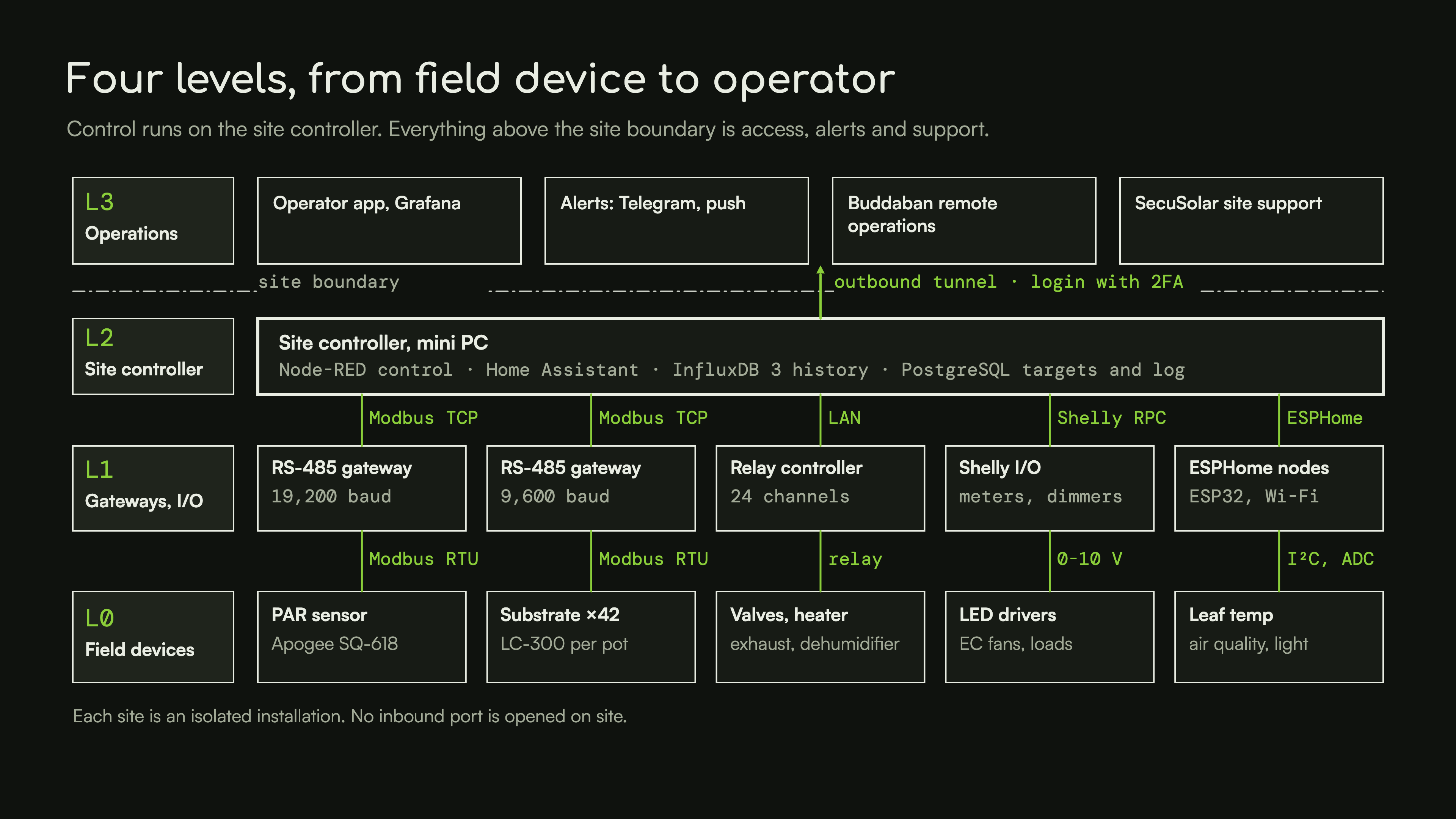
Sensors, meters and controlled loads provide measurements and accept permitted commands.
Modbus RS-485, relay and 0–10 V interfaces connect compatible equipment; bus settings and wiring are verified.
On-site logic compares readings with targets and records measurements, actions and reasons.
Dashboards, schedules and alerts connect the operator with agreed local and remote support.
The site controller runs control logic and stores operating records locally. An internet outage does not stop local control while site power and local communications remain available. Remote access, off-site alerts and updates require connectivity.
Buddaban’s remote-access design uses an encrypted outbound tunnel, personal logins and two-factor authentication, without opening inbound site ports. User permissions, data retention, backups and support responsibilities are agreed for the project.

Environmental targets must be achievable within the building’s thermal, moisture and electrical limits. SecuSolar assesses the infrastructure behind the controls, then defines how changes will be measured and commissioned.
Monitoring creates a basis for assessment. Energy savings, yield changes and payback are not assumed; any outcome must be supported by site measurements and an agreed comparison method.

Bangkok and Samut Sakhon · Thailand
Selected references include rooftop PV at 3M Thailand in Bangkok and Thai Union CS-4 in Samut Sakhon. Work in operating facilities required coordination with production, safety and EHS teams, complex roof structures and limited shutdown windows.
These references demonstrate the delivery constraints relevant to facility upgrades; they are not controlled-environment installations.
Reference projects completed by members of the SecuSolar founding team in previous roles.
View project references →Record equipment, available data, operating constraints and the conditions that need improvement.
Agree interfaces, I/O, targets, alarms, manual overrides and the division of supply and support.
Validate sensors and communications. Test sequences and interlocks in simulation before accepting live control.
Review trends and functional tests against agreed criteria. Train operators and confirm support arrangements.
Share the available information first. The assessment identifies missing measurements and separates monitoring, controls and construction scope.
Discuss the site with SecuSolar. We will coordinate the facility review and Buddaban technology assessment, then define the proposed stages, responsibilities and acceptance criteria.
Discuss your facility →